What the EEC Board decided
On 13 October 2026 the Board of the Eurasian Economic Commission adopted Decision No. 128, which changes the rules for bringing back spare parts for heavy machinery. Unused spare parts and equipment for dump trucks made in EAEU countries can now be brought back into the union's territory without paying import duties and taxes within 10 years of export. Until now such kits were subject to the general re-import period of three years.
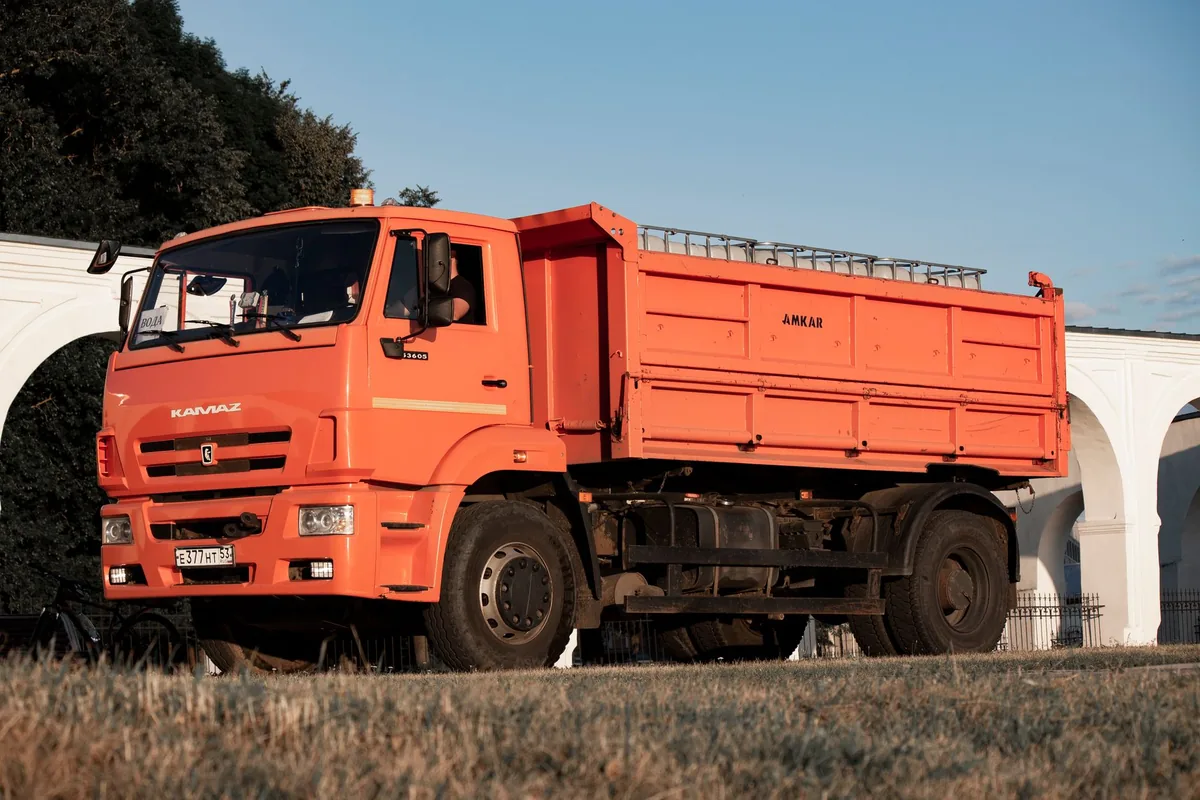
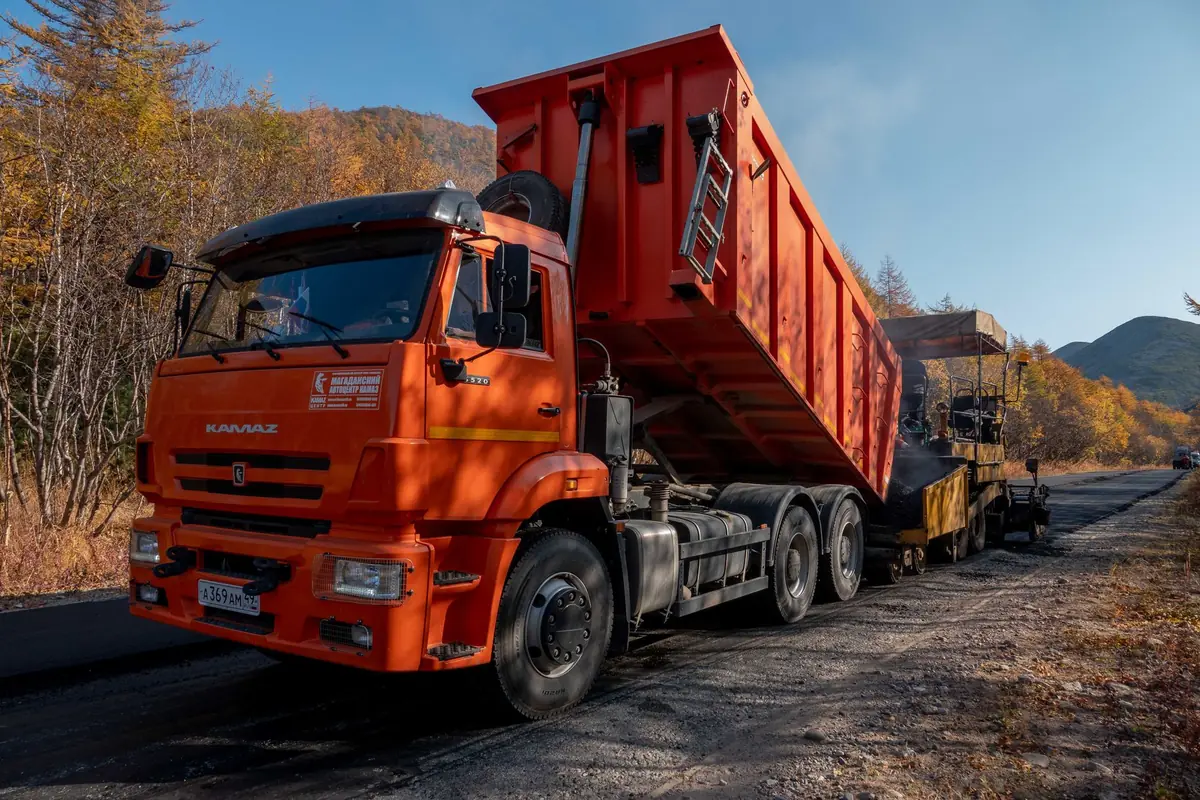
The decision concerns dump trucks designed for off-road operation with a gross weight of more than 40 tonnes. For the dump trucks themselves, a 10-year period is already provided for by the list approved by EEC Board Decision No. 203 of 11 December 2018. Now the same period applies to the parts and equipment without which the machines cannot be repaired or serviced.
What problem the decision solves
Re-import is a customs procedure under which goods previously exported from the EAEU are brought back without paying import duties and taxes. The EAEU Customs Code allows three years for this, but for certain categories of goods the periods are longer.
According to the EEC, in practice heavy machinery is exported from the union together with kits of spare parts and equipment for repair and maintenance. If unused components came back after more than three years, for example after a contract was cancelled, an imbalance arose: the dump trucks themselves kept the right to re-import, while their spare parts had to be declared for release for domestic consumption, with customs payments due. The commission describes this as an additional financial and administrative burden on industrial enterprises.
The difference is clear from a simple example given by the commission itself:
- Before: a foreign contract is cancelled when more than three years have passed since the machines were exported. The dump trucks can be brought back duty-free under re-import, but the remaining spare parts and equipment are already outside the three-year period, so on entry they have to be declared for release for domestic consumption and customs payments must be paid.
- Now: both the machines and their unused kits come back under a single re-import procedure, provided no more than 10 years have passed since export.
Inbusiness.kz sums up the practical meaning of the decision as follows: for industrial enterprises it reduces the risk of additional customs costs when unused spare parts are brought back after a foreign trade contract is completed or changed.
What the document actually says
Decision No. 128 sets out a new wording of item 4 of the list of goods categories for which special re-import periods are established. The legal basis is Article 236(3) of the EAEU Customs Code. The key elements of the new wording:
- Whose machinery: products of automotive industry enterprises of EAEU member states.
- Which machinery: dump trucks for off-road operation with a gross weight of more than 40 tonnes.
- What has been added: spare parts and equipment needed for the repair and/or maintenance of such dump trucks.
- Period: until 10 years have elapsed from the day following the day the goods actually left the union's customs territory.
- Condition: the components must return to the EAEU customs territory before this period ends.
When the new rules take effect
The decision enters into force 30 calendar days after the date of its official publication. The Garant legal database, which posted the text of the document on 20 October, noted at that point that it had not yet entered into force. Before planning any imports, check the exact start date against the official publication on the EAEU legal portal.
Who is affected and what to do now
The rule has been adopted at EAEU level, so it also applies to Kazakhstan. In the commission's wording, it concerns the return of components "to one of the states of the Union". The new rules matter for companies that export heavy EAEU-made dump trucks together with repair kits to projects outside the union, as well as for suppliers of such machinery and their service divisions.
The decision has clear limits:
- it applies only to dump trucks made by enterprises in EAEU countries; the new item of the list says nothing about machinery from third countries;
- item 4 names only off-road dump trucks with a gross weight of more than 40 tonnes and their spare parts; other types of special machinery are not mentioned in it;
- the rule applies to goods previously exported from the union under the export customs procedure.
What is worth doing now:
- Check which spare parts and equipment went abroad with the dump trucks and under which declarations they were exported.
- Record the actual export date of each kit: the 10-year period is counted from the following day.
- Ask your customs representative which documents can confirm that the parts and equipment being returned are needed specifically for the repair or maintenance of such dump trucks.
- If the return of unused components is planned for the coming weeks, discuss with your customs representative which version of the list will be in force on the date of import.
- When extending or revising foreign contracts, bear in mind that leftover repair kits can now be brought back duty-free within the same period as the machines themselves.
Sources
- Евразийская экономическая комиссия, "ЕЭК увеличила до 10 лет срок обратного ввоза запчастей для тяжелой техники", 2026-10-13: https://eec.eaeunion.org/news/eek-uvelichila-do-10-let-srok-obratnogo-vvoza-zapchastey-dlya-tyazheloy-tekhniki/
- Inbusiness.kz, "Предприятиям ЕАЭС разрешили возвращать запчасти к тяжелым самосвалам", 2026-10-14: https://inbusiness.kz/ru/last/predpriyatiyam-eaes-razreshili-vozvrashat-zapchasti-k-tyazhelym-samosvalam
- NormaCS, "ЕЭК увеличила до 10 лет срок обратного ввоза запчастей для тяжелой техники", 2026-10-16: https://www.normacs.info/news/79727
- ГАРАНТ.РУ, "Решение Коллегии Евразийской экономической комиссии от 13 октября 2026 г. № 128", 2026-10-20: https://www.garant.ru/products/ipo/prime/doc/414980283/